

Have you ever wondered how a dentist can tell that you have a cavity? The best way is to look at an x-ray, which clearly shows how dental decay is impacting the enamel of the tooth. The dentist also uses an instrument called an explorer to tap along the teeth; if a spot feels soft instead of solid, that’s a good indication of tooth decay.
A white spot may appear where minerals have been lost. This is a sign of early decay. Tooth decay can be stopped or reversed at this point. Enamel can repair itself by using minerals from saliva, and fluoride from toothpaste or other sources

But if the tooth decay process continues, more minerals are lost. Over time, the enamel is weakened and destroyed, forming a cavity. A cavity is permanent damage that a dentist has to repair with a filling. And sometimes, the dental decay is so severe, you can see it with the naked eye. It may begin as a white spot, then darken into a brown-colored stain. As the decay worsens, it creates a hole in the tooth
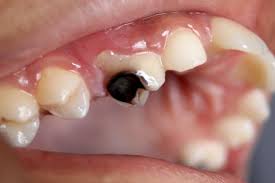
What causes a cavity?
Millions of bacteria live in our mouth. Most of these are beneficial; they produce acids that help break down food. Other types of bacteria produce acids that break down the enamel of your teeth. These bacteria attach to your teeth to form a sticky layer called plaque. If the plaque is not removed by brushing and flossing, the acid from the bacteria starts to wear away the enamel.
While proper brushing removes cavity-causing plaque from the tops and sides of your teeth, it does not remove the plaque from between your teeth. Only flossing can remove the particles of food and bacteria caught between teeth. That’s why it’s so important to floss at least once a day.
And last but not least, make sure you’re keeping up with your professional teeth cleanings. Only a dental professional can remove the plaque and tartar build-up from all those hard-to-reach places in your mouth.
Foods that are cariostatic/prevent caries

- Fibre-rich fruits and vegetables. Foods with fibre help keep your teeth and gums clean, says the American Dental Association (ADA). They also get saliva flowing. Next to good home dental care, this is your best natural defence against cavities and gum disease. About 20 minutes after you eat something that has sugars or starches, your saliva begins to reduce the effects of the acids and enzymes attacking your teeth. Saliva contains traces of calcium and phosphate. So it also restores minerals to areas of teeth that have lost them from the bacterial acids.
- Cheese, milk, plain yogurt, and other dairy products. Cheese is another saliva maker. The calcium in cheese, and the calcium and phosphates in milk and other dairy products, help put back minerals your teeth might have lost due to other foods. They also help rebuild tooth enamel.
- Green and black teas. Both contain polyphenols that interact with plaque bacteria. These substances either kill or hold back bacteria. This prevents bacteria from growing or making acid that attacks teeth. Depending on the type of water you use to brew your tea, a cup of tea can also be a source of fluoride.
- Sugarless chewing gum. This is another great saliva maker that removes food particles from your mouth.
- Foods with fluoride. Fluoridated drinking water, or any product you make with fluoridated water, helps your teeth. This includes powdered juices (as long as they don’t contain a lot of sugar) and dehydrated soups. Commercially prepared foods, such as poultry products, seafood, and powdered cereals, also can give fluoride.
Substances that dry out our mouth
These include alcohol and many medicines. If medicines are the cause, talk with your dental care provider about getting a fluoride rinse, or a fluoride gel for brushing your teeth.
ADA offers these tips to help reduce tooth-decay risk from the foods you eat:
- Eat sugary foods with meals Your mouth makes more saliva during meals. This helps to reduce the effect of acid production and to rinse pieces of food from the mouth.
- Limit between-meal snacks If you crave a snack, choose something nutritious. Think about chewing sugarless gum afterward to increase saliva flow and wash out food and acid.
- Drink more water Fluoridated water can help prevent tooth decay. If you choose bottled water, check the label for the fluoride content.
- Brush your teeth twice a day
- Floss once a day

 Dr. Angad Khurana